Airflow Services Home

Category

Commercial Ventilation

15 articles

Measuring the Threshold: Air Curtain Evidence for UK Commercial Entrances

Measuring the Threshold: Air Curtain Evidence for UK Commercial Entrances

Air curtains at UK shopfronts, loading bays and kitchen doors are often installed and then left unverified. This article sets out a practical evidence record — design intent, velocity and coverage checks, door-use patterns, pressure readings and maintenance triggers — and explains why an air curtain is a measurable airflow device, not a draught excluder or a substitute for ventilation.

Vapour, Not Fragrance: A Salon Airflow Record for UK Nail and Beauty Premises

Vapour, Not Fragrance: A Salon Airflow Record for UK Nail and Beauty Premises

Nail and beauty salons are small chemical workplaces, yet ventilation is often reduced to one extract fan, an open window and a scented candle. This article sets out a practical airflow record that links product use to extract runtime, maintenance checks, background ventilation and simple CO2 spot readings, so owners can demonstrate control on busy Saturdays as well as quiet Tuesdays.

Parts That Carry Proof: A Maintenance Trail for Ventilation Consumables

Parts That Carry Proof: A Maintenance Trail for Ventilation Consumables

Ventilation maintenance often records the visit rather than the components changed. A defensible consumables trail links part numbers, filter grades, pressure-drop baselines and fitment evidence to the system they serve, giving UK premises a record that can withstand scrutiny.

Between the Bookings: A Ventilation Evidence File for Weekly-Use Community Buildings

Between the Bookings: A Ventilation Evidence File for Weekly-Use Community Buildings

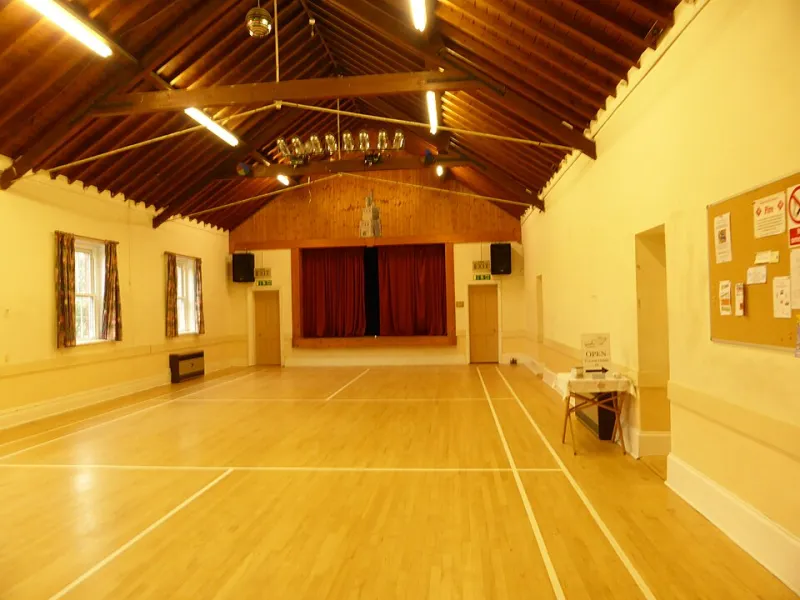
Village halls, church rooms and scout huts rarely have a ventilation system to commission, but they still need to show that airflow is adequate for hired events. This article sets out a proportionate evidence file that ties checks to occupancy, records the opening regime after each hire, and gives trustees a clear record of who checks what.

Beyond the Fire Door: Building a Combustion Air Record for UK Plant Rooms

Beyond the Fire Door: Building a Combustion Air Record for UK Plant Rooms

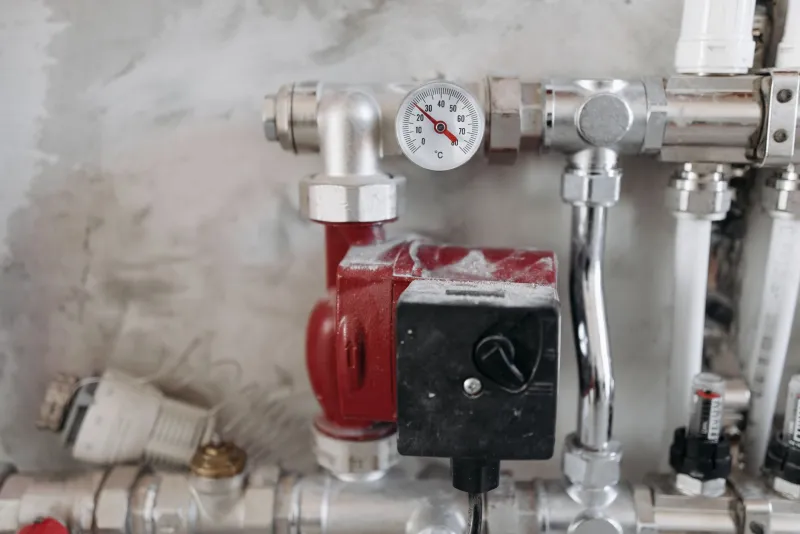
The plant room door is often treated as a fire safety item alone, yet its behaviour can reveal whether combustion air is reaching the boilers. This article sets out how landlords and facilities teams can build a defensible ventilation evidence file for UK plant rooms, from permanent openings and louvre condition to pressure readings and adjacent extract systems.

At Rack Level: Ventilation Evidence for UK Warehouses and Fulfilment Centres

At Rack Level: Ventilation Evidence for UK Warehouses and Fulfilment Centres

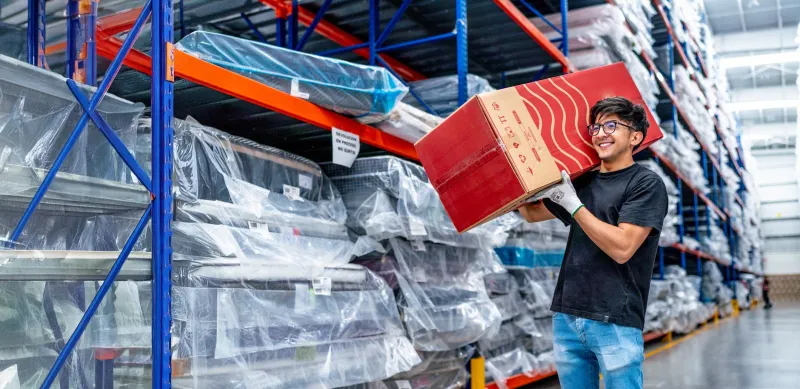
Warehouse ventilation is often judged from roof-mounted plant and high-level readings, while people work at rack height, on mezzanines and at packing benches. This article sets out a practical evidence approach for UK logistics buildings, comparing high- and low-level conditions and recording what the occupied zones are actually experiencing.

When the Building Is Asleep: Establishing an Overnight Airflow Baseline for UK Commercial Premises

When the Building Is Asleep: Establishing an Overnight Airflow Baseline for UK Commercial Premises

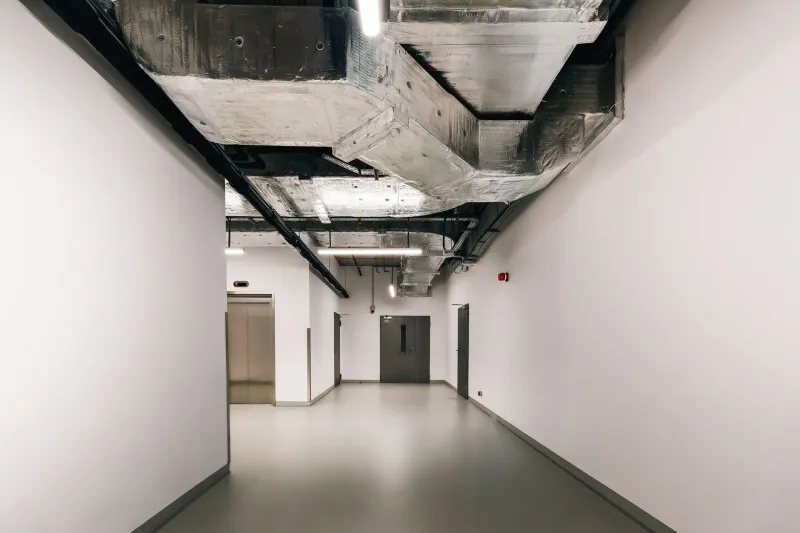
Daytime ventilation surveys measure a system in company, not on its own. A controlled overnight monitoring period exposes scheduling faults, dormant fans, unintended infiltration and baseline CO2 behaviour that occupied readings conceal. This article sets out a practical evidence routine for UK commercial premises and explains why the empty-building baseline deserves a permanent place in the ventilation record.

From Setting to Proof: Commissioning Intermittent Extract Controls in UK Premises

From Setting to Proof: Commissioning Intermittent Extract Controls in UK Premises

A timer, PIR or humidity sensor can be configured correctly and still leave an intermittent extract system unproven. This article sets out a practical commissioning approach for UK premises: test the trigger, measure airflow at the grille, confirm run-on duration, and record the result as usable ventilation evidence.

Handover Is Not Proof: Reading the Airflow Behind the Part F Paperwork

Handover Is Not Proof: Reading the Airflow Behind the Part F Paperwork

A Part F certificate confirms that a ventilation system has been considered against the regulations; it does not confirm that the installed system moves the intended air. This article sets out what commissioning should evidence, where handover commonly fails, and what a facilities manager or homeowner should ask for before accepting a system.

The Gauge That Pays for Itself: Pressure Drop Monitoring in Commercial Ventilation

The Gauge That Pays for Itself: Pressure Drop Monitoring in Commercial Ventilation

Filter pressure drop is one of the cheapest early warnings in a commercial ventilation system, yet it is often ignored until airflow problems become expensive. This practical guide explains how facilities teams can use a basic gauge-reading routine to trigger maintenance before energy, comfort and compliance costs drift.

Evidence, Not Aroma: Making Kitchen Odour a Manageable Compliance Risk

Evidence, Not Aroma: Making Kitchen Odour a Manageable Compliance Risk

Odour complaints rarely arrive as enforcement action. They arrive as emails, then planning objections, then questions about a premises licence — and by then the operator carries the burden of demonstrating that the extract system works. Records are the only dependable defence.

Before the Heating Goes On: A 2026 Ventilation Audit for UK Commercial Premises

Before the Heating Goes On: A 2026 Ventilation Audit for UK Commercial Premises

As the 2026 heating season begins, facilities managers need more than a quick plant-room glance. A structured, room-by-room ventilation audit can identify drifting CO2 sensors, tired filters, leaking ductwork and weak extract points before they become winter complaints — and it can turn a routine walkthrough into a defensible compliance record.